
Walk into any urgent care, and you’ll see what keeps the system running — speed. These centers are the front door of healthcare in America: fast, convenient, and open every day. With over 14,000 locations nationwide, urgent cares serve millions of patients each year, growing steadily at about 7% annually.
But behind that speed lies a quiet slowdown — the 15-minute intake process.
The Hidden Bottleneck
Every visit starts the same way: paperwork, insurance cards, vitals, and medical history. It takes about 15 minutes per patient, and staff repeat it dozens of times a day. For teams working long hours in walk-in environments, it’s a drag on both efficiency and morale.
This “first 15 minutes” often becomes the bottleneck that limits how many patients can be seen — even before care begins.
Turning 15 Minutes into 5
That’s where Praana Assist comes in.
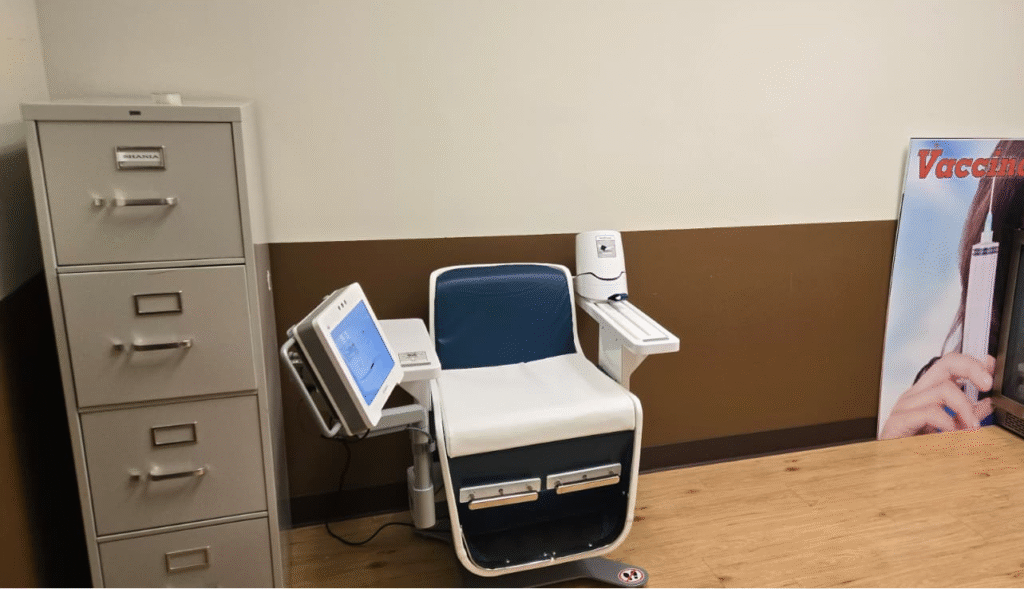
Built by Aarogya Tech, it’s an intelligent intake system that automates the first 15 minutes of every visit — capturing vitals, history, and registration details automatically and sending them straight into the EMR.
At an urgent care in Gilbertsville, PA, the impact was immediate:
- Intake time dropped from 15 to just 5 minutes per patient
- 60–70% less workload for medical assistants and front-desk staff
- Cleaner data with fewer claim denials and billing issues
Suddenly, the same team could handle more patients without adding staff — and everyone, from providers to patients, felt the difference.
Why It Matters
Urgent cares see more patients and stay open longer than most clinics, which means every saved minute truly counts.
Automation doesn’t just make things faster — it makes them better. It reduces burnout, improves accuracy, and helps clinics get paid correctly and on time.
For centers facing staffing shortages and rising costs, solutions like Praana Assist offer immediate ROI and a calmer, more efficient day for everyone involved.
At Aarogya Tech, we’re building tools that bring intelligence, efficiency, and empathy to the front door of healthcare — so caregivers can spend less time on data and more time on people.
Automating Clinical Intake. Restoring Care.